
Give a man two minutes to pick up a new hobby. A week later, he is giving his girlfriend a lesson on the subject.
He watches one espresso video and is comparing grinders at three in the morning. He gets interested in watches and, by the next day, is explaining why 38 millimetres is the ideal size. He starts working out and, a week later, knows which protein powder mixes better.
I’m joking, but when I get curious about something, I can’t just glance at it and move on either. At first, you just want a good cup of coffee. Then you can’t relax until you understand what makes it good.
In short: A hobby often becomes more absorbing as you learn to notice its details. Telling two watches or coffees apart can make that learning feel rewarding. This is my personal observation, not a claim that this kind of curiosity belongs only to men.

From coffee and watches to football and training: curiosity can lead us into the details of very different worlds.
Why does curiosity go so deep?
At first, we just want the result: good coffee, a watch that looks right, an effective workout. Then we start noticing the details behind that result. How the beans were roasted, how a watch sits on the wrist, the technique behind a movement. Eventually, “Which one is better?” becomes “What is the difference between them?”
To me, that is the enjoyable part of curiosity. Learning a little about something does not change the world, but it does help you see more of it.
Understanding why we like something
Two watches that once looked almost identical can begin to feel completely different as you learn more. You notice a detail, understand something you had missed, or reconsider your own preference. Those small discoveries are surprisingly satisfying.
And you are no longer looking only at the object; you are learning the standards you use to choose it. You get a better sense of which coffee suits you, which watch feels balanced on your wrist, or what kind of training makes you want to keep going.
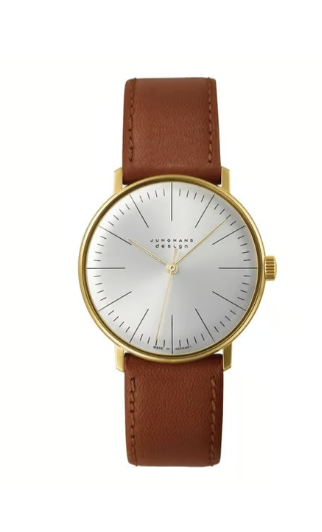
Clean dial
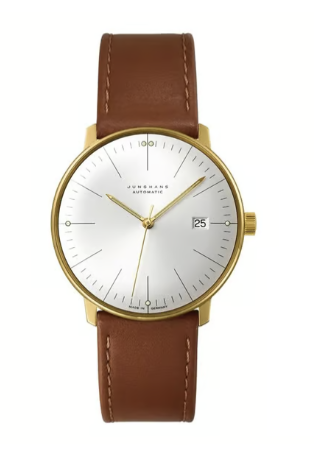
Date display
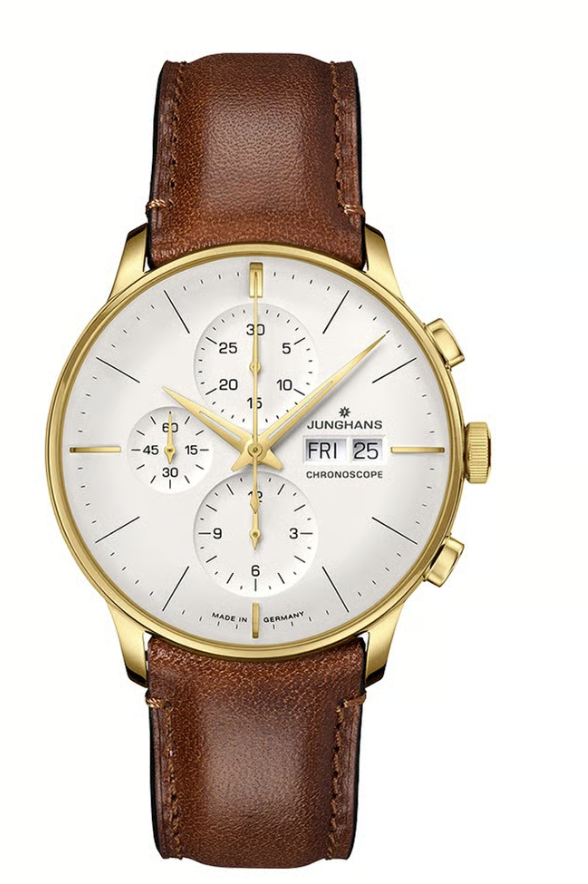
Chronograph
A fascination with watches often begins with small distinctions: a clean dial, a date window or the function of a chronograph.
After a while, you enjoy what you learn about something just as much as the thing itself.
When does a hobby start to crowd out the rest of life?
I’m using “obsession” here in its casual, playful sense. Getting absorbed in a hobby is not a problem by itself; often, it opens up a new interest and a new space to learn. Still, if curiosity keeps taking time from sleep, money from your budget or attention from your relationships, it can help to pause and check the balance. Not every new interest needs to come with the most expensive equipment.
For me, a good hobby adds a new colour to life; it does not consume everything else in it.

A hobby is not always about diving into details; sometimes it is simply a quiet space of your own.
Sharing what you learn is part of the fun
At some point, you want to share what you have learned. Because you are not just seeing a watch; you are also seeing its design, its movement and what you like about it. When you explain it to someone, you are retracing the path your curiosity took.
I think it is lovely to hear someone talk with excitement about something they love. Maybe you have no interest in the subject, but seeing their eyes light up can make the conversation worth having. One small reminder: sharing our excitement is great; asking whether the other person is up for a full lesson makes it even better.
Perhaps it is not obsession, but curiosity
A new hobby often starts as a small impulse. Then it teaches you to notice distinctions, understand your own taste and look at a subject with a little more care. Sometimes it is coffee grinders, sometimes watch dimensions, sometimes the right exercise technique. The subject changes; the pleasure of discovery stays.
Send this to the man who cannot help teaching you everything he has just learned.
#NotAnAd — This article is not sponsored; the images are used as illustrative examples.
Alperen Aydın